
✨
- Mon- Sun 8.30AM – 7PM
- +971 553119743
- +971 54 329 1664
- austincntr@gmail.com
Every child develops at their own pace, but some may require additional support to build communication, social, and daily living skills. This case study highlights how a structured, multidisciplinary therapy program helped a young child make meaningful progress through consistent intervention and family involvement.
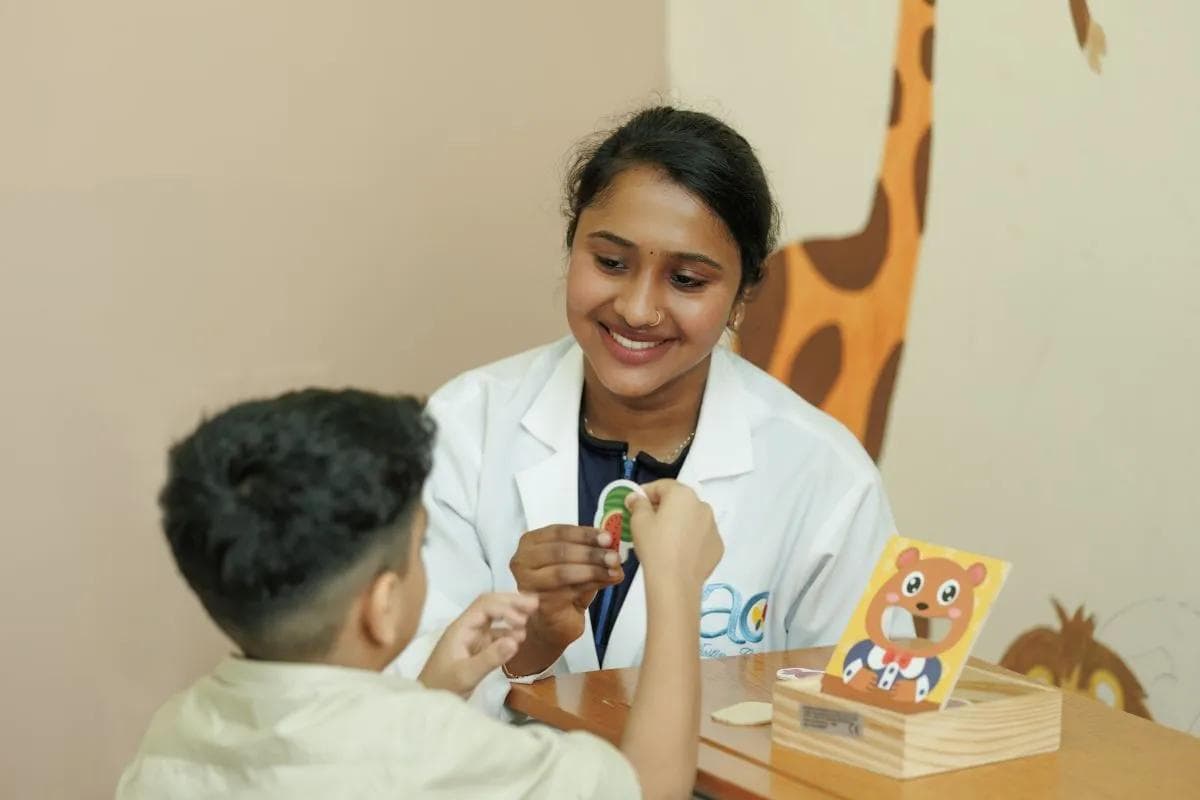
A family approached our center after noticing several developmental concerns in their child. They observed limited eye contact, delayed speech and language development, difficulty responding to their name, a preference for playing alone, repetitive behaviors, and challenges adapting to changes in daily routines.
Following a comprehensive developmental assessment, the child was identified as benefiting from an individualized autism intervention program designed to address their specific developmental needs.
A multidisciplinary evaluation was conducted to gain a complete understanding of the child's strengths and areas requiring support. The assessment focused on:
Based on the findings, an individualized therapy plan was developed with measurable short-term and long-term goals. The intervention was tailored to promote meaningful progress while supporting the child's unique learning style.
Throughout the intervention process, the family reported noticeable improvements in the child's everyday functioning. Communication at home became more effective, daily routines became easier to manage, and the child showed greater confidence in different situations. The strategies introduced during therapy also helped family members better understand and support their child's development.
Every child with autism has a unique developmental journey. Early identification and individualized intervention can provide valuable opportunities to strengthen communication, social interaction, behavior, and daily living skills. When professional therapy is combined with active family involvement, children are better supported in reaching their potential and becoming more independent over time.