
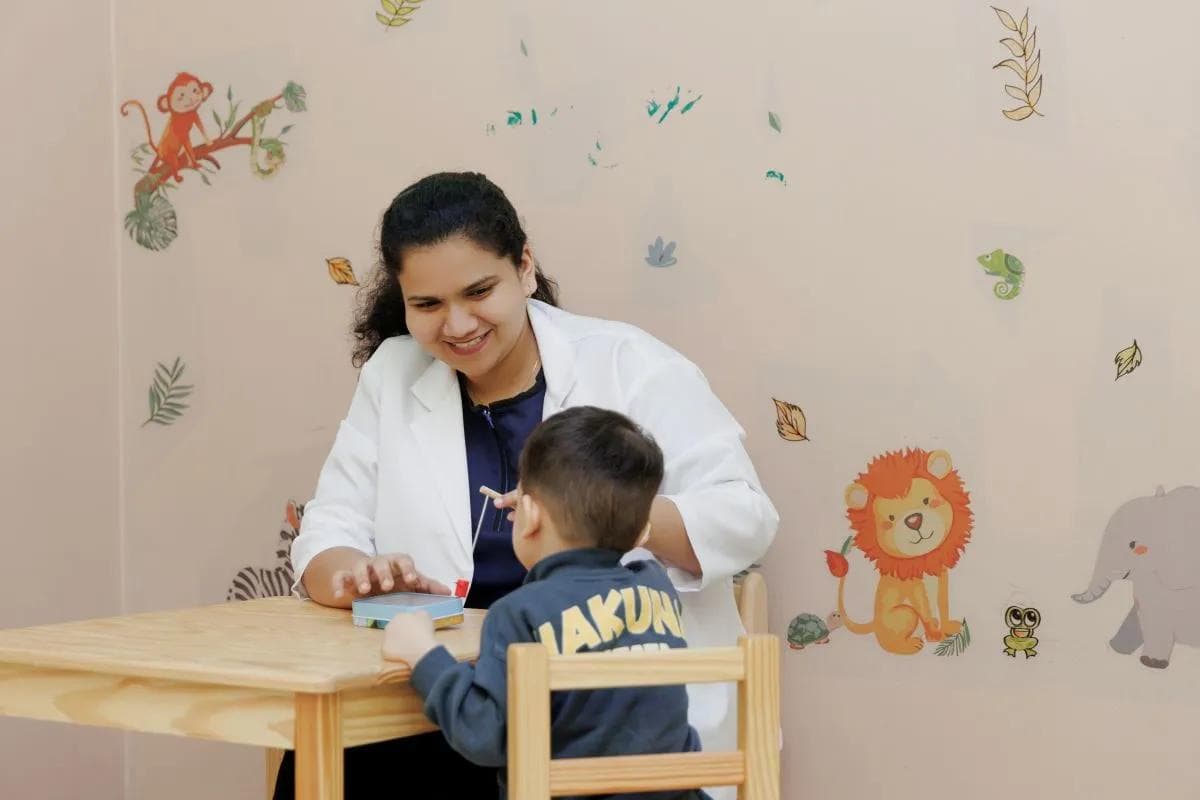
Understanding ABA Therapy: How It Helps Children Build Essential Life Skills
Every child learns and develops in their own unique way. For children with Autism Spectrum Disorder (ASD) and other developmental challenges, learning certain skills may require additional support and structured guidance. Applied Behavior Analysis (ABA) Therapy is one of the most widely researched and effective approaches for helping children develop communication, social, behavioral, and daily living skills.
Introduction
Every child learns and develops in their own unique way. For children with Autism Spectrum Disorder (ASD) and other developmental challenges, learning certain skills may require additional support and structured guidance. Applied Behavior Analysis (ABA) Therapy is one of the most widely researched and effective approaches for helping children develop communication, social, behavioral, and daily living skills.
ABA therapy focuses on understanding behavior and teaching meaningful skills that improve a child's independence and quality of life.
What Is ABA Therapy?
Applied Behavior Analysis (ABA) is a scientific approach to understanding and improving behavior.
ABA therapy helps children:
- Develop communication skills
- Improve social interactions
- Learn daily living skills
- Reduce challenging behaviors
- Increase independence
- Improve attention and focus
Therapy programs are individualized based on each child's strengths, needs, and developmental goals.
How Does ABA Therapy Work?
ABA therapy uses positive reinforcement to encourage desired behaviors and skills.
For example:
- A child receives praise for making eye contact.
- A reward is given after successfully completing a task.
- Positive encouragement motivates the child to repeat the behavior.
By consistently reinforcing positive behaviors, children learn new skills and apply them in everyday situations.
Skills Commonly Taught Through ABA Therapy
Communication Skills
Children learn to:
- Express their needs and wants
- Follow instructions
- Develop conversational skills
- Improve verbal and non-verbal communication
Social Skills
ABA helps children:
- Take turns during activities
- Share with peers
- Understand social cues
- Build friendships
Daily Living Skills
Therapy may focus on:
- Dressing independently
- Personal hygiene
- Eating skills
- Following routines
Learning and Academic Readiness
Children develop:
- Attention and concentration
- Problem-solving abilities
- Classroom readiness skills
- Task completion skills
Who Can Benefit from ABA Therapy?
ABA therapy is commonly recommended for children who experience:
- Autism Spectrum Disorder (ASD)
- Communication difficulties
- Social interaction challenges
- Behavioral concerns
- Developmental delays
- Difficulty adapting to daily routines
Each program is tailored to meet the child's specific developmental needs and goals.
Common Signs a Child May Benefit from ABA Therapy
Parents may consider an ABA assessment if their child:
- Has difficulty communicating needs
- Avoids social interaction
- Struggles with transitions or changes in routine
- Displays repetitive behaviors
- Experiences frequent emotional outbursts
- Has difficulty following instructions
- Finds it challenging to engage in age-appropriate play
Early support can help children develop important skills during critical developmental years.
What Happens During an ABA Therapy Session?
Sessions are structured but engaging and often include play-based activities.
A therapist may work on:
- Communication exercises
- Social interaction practice
- Behavioral skill-building
- Attention and focus activities
- Daily living skills training
- Parent coaching and education
Progress is continuously measured, allowing therapy goals to be adjusted as the child develops.