
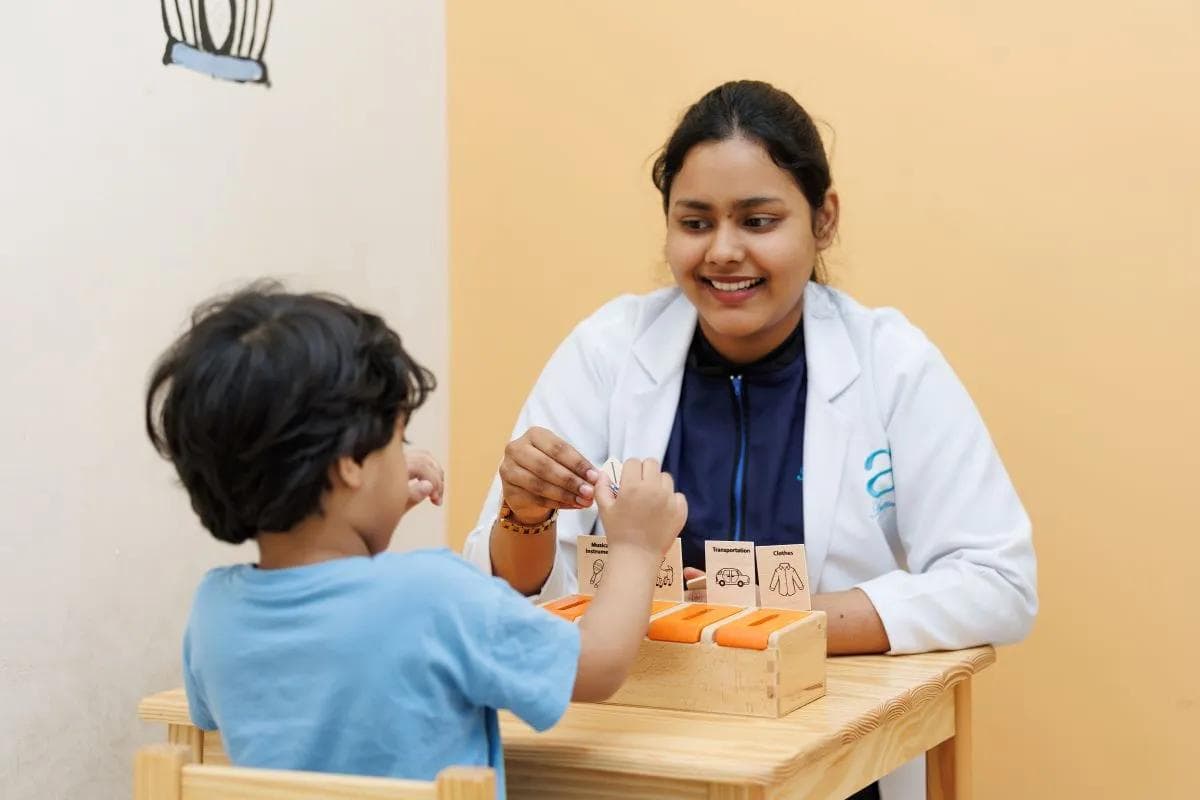
Speech Therapy for Children: Early Signs, Benefits, and When to Seek Help
Every child develops communication skills at their own pace. However, when a child struggles to speak, understand language, or communicate effectively, it may indicate the need for professional support. Speech therapy helps children improve their communication abilities, build confidence, and develop essential social skills.
Introduction
Every child develops communication skills at their own pace. However, when a child struggles to speak, understand language, or communicate effectively, it may indicate the need for professional support. Speech therapy helps children improve their communication abilities, build confidence, and develop essential social skills.
Early intervention can make a significant difference in a child's development and future success.
What Is Speech Therapy?
Speech therapy is a specialized intervention that helps children improve:
- Speech clarity and pronunciation
- Language understanding and expression
- Social communication skills
- Voice quality
- Fluency (stuttering)
- Feeding and swallowing difficulties
A qualified speech-language therapist assesses the child's needs and creates a personalized treatment plan to support their communication development.
Common Signs Your Child May Need Speech Therapy
Parents should consider an assessment if their child:
By 12 Months
- Does not respond to their name
- Makes limited sounds or babbling
- Shows little interest in communication
By 2 Years
- Uses very few words
- Has difficulty following simple instructions
- Struggles to combine two words
By 3 Years
- Speech is difficult for others to understand
- Limited vocabulary compared to peers
- Difficulty expressing wants and needs
At Any Age
- Stuttering or repetition of sounds
- Difficulty making eye contact during conversations
- Challenges interacting with other children
- Regression in speech or language skills
Benefits of Early Speech Therapy
Improved Communication Skills
Children learn to express their thoughts, emotions, and needs more effectively.
Better Academic Performance
Strong communication skills support reading, writing, and classroom participation.
Increased Confidence
As communication improves, children often become more confident in social and educational settings.
Enhanced Social Interaction
Children develop the skills needed to build friendships and engage in meaningful conversations.
Family Support
Speech therapists guide parents on activities and strategies that can be practiced at home.