✨
- Mon- Sun 8.30AM – 7PM
- +971 553119743
- +971 54 329 1664
- austincntr@gmail.com

At Austin Center, Karama, Dubai, we offer empathetic, research-driven Occupational Therapy that helps kids and adults develop self-reliance, self-assurance and practical abilities.
If your kid has difficulty in sensory processing, lacks concentration, is not interested in writing or has trouble completing daily activities — You're not alone!!
And best of all — Progress can be made.
We assist in turning:





Trusted by 2,000+ families
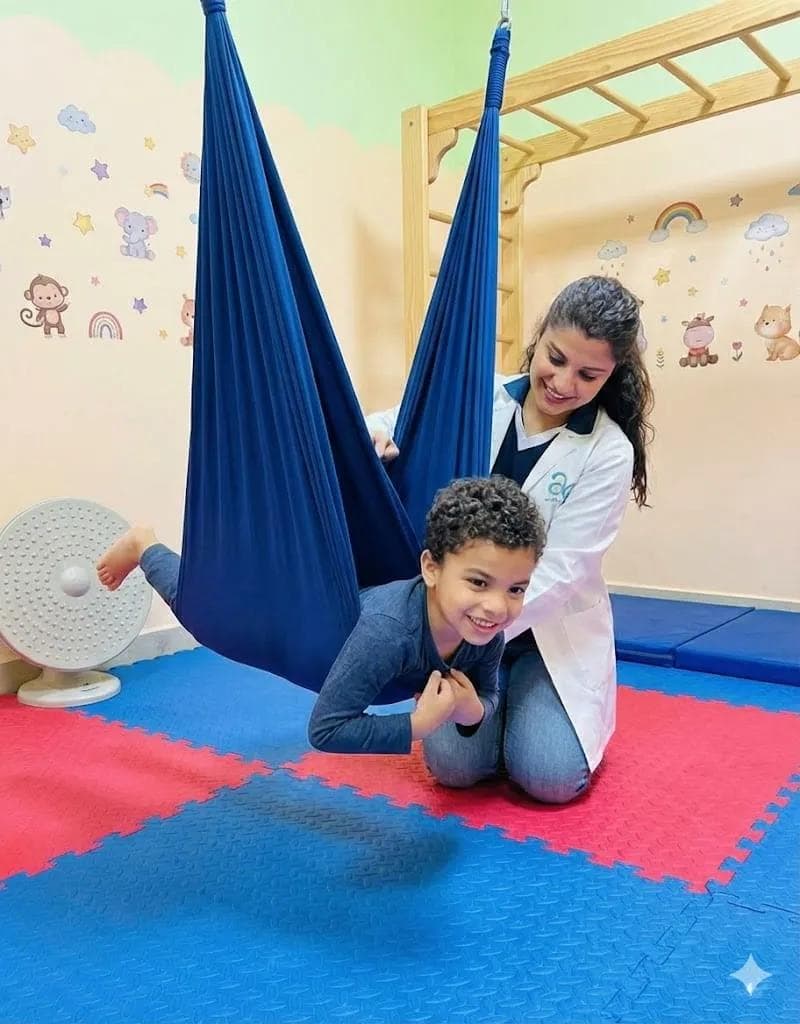
Identifying issues early
Skills for lifelong success
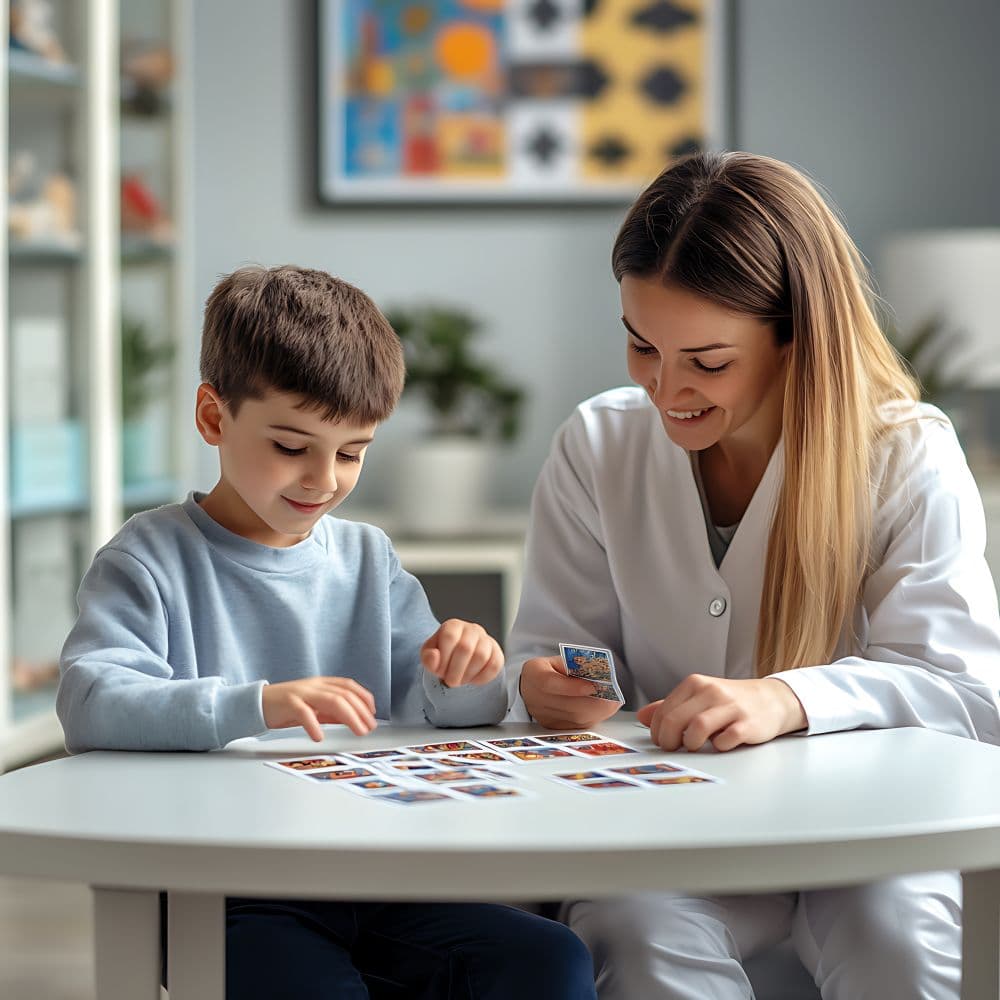
Pediatric occupational therapy is a specialized field of healthcare dedicated to helping children develop the essential skills needed for daily living, learning, and independence.
For children in Karama, Dubai, pediatric occupational therapy typically focuses on:
Fine motor skills (such as writing, buttoning, and using scissors).
Gross motor skills.Sensory processing and regulation.
Sensory processing and regulation.
Attention, focus, and task completion.
Independence in self-care activities (dressing, feeding, grooming).
Social interaction and play skills.
As a parent, you may be feeling : Confused!, Concerned!, Overwhelmed!, Unsure of what to do next!, You might even be asking yourself, “Is this just a phase?”
The reality is that some children need a little extra support to develop essential skills. Seeking help early isn’t a sign of weakness—it’s a proactive step toward your child’s success.
At Austin Center in Karama, Dubai, we understand how challenging this journey can feel. Our team is here to guide and support you every step of the way, helping your child build confidence and achieve meaningful progress.
Over 10 years of trusted service supporting families across the UAE.
1,000+ children empowered through individualized therapy programs.
Qualified and certified occupational therapists.
Comprehensive, multidisciplinary care approach.
Evidence-based interventions aligned with international standards.
Ongoing supervision to monitor progress and ensure quality care.
Family-centered therapy that involves and supports caregivers.
Ongoing progress monitoring with clear, measurable outcomes.
Strong parent satisfaction and trust.
Every child receives a personalized pathway designed for meaningful growth.

Trusted Care
Dubai & Sharjah Clinics
Play is a vital part of every child’s development. However, some children may experience difficulties engaging in play and daily activities due to developmental delays, medical conditions, injuries, or other challenges.
An Occupational Therapist (OT) supports children in developing the skills needed for greater independence in everyday life, including play, learning, and self-care. Following a thorough assessment, the OT creates an individualized intervention plan tailored to the child’s specific needs at home and school.
Occupational Therapy focuses on improving essential skills such as fine and gross motor skills, handwriting, play skills, tool use, and visual-motor coordination.
Our team of highly qualified and experienced Occupational Therapists delivers evidence-based care for children with special needs across Dubai and Sharjah.
Our approach is simple - We support your child in becoming confident and independent in everyday activities. With timely intervention and the right guidance, children can make meaningful and lasting progress.



Early support and timely intervention can significantly improve your child’s independence, confidence, and overall development.
Early Occupational Therapy Intervention can play a vital role in supporting your child’s overall development by :
When therapy begins early, children are able to develop key skills at the right stage of growth, making learning more natural and effective.
Delaying support may lead to increased emotional and academic difficulties, making progress more challenging later on.
"Early action creates a stronger foundation for long-term success."

Difficulties in daily functioning may be linked to a range of developmental and neurological factors, including:
Struggles in reaching physical or social milestones compared to peers.
Impacts how a child perceives others and communicates socially.
Difficulties with staying focused, controlling impulses, or sitting still.
Early birth can affect the development of muscles and nerves.
Trouble managing information received through the body's senses.
These challenges are not caused by parenting practices. There is no blame involved—only understanding, guidance, and supportive intervention to help every child reach their potential.
We take time to understand your concerns and your child’s unique challenges.
A thorough evaluation using clinical observations and standardized tools.
A tailored program designed according to your child’s specific developmental needs.
Focused, goal-driven sessions to build functional skills and independence.
Practical strategies and techniques shared to support progress at home.
Regular monitoring with clear feedback on improvement and outcomes.
When 6-year-old Ayaan first came to Austin Center, his parents were concerned about his difficulty with handwriting, poor attention in class and frustration during everyday tasks like dressing and eating. He often avoided fine motor activities and became overwhelmed in busy environments.
During the initial assessment, our occupational therapy team identified challenges in fine motor coordination, sensory processing, and attention regulation. Ayaan also showed signs of low confidence when attempting new tasks.
A personalized therapy plan was designed focusing on:
Through consistent, goal-oriented therapy sessions, Ayaan gradually began to show remarkable progress. He started enjoying drawing and coloring activities, his pencil grip improved significantly, and he became more confident in classroom tasks. His ability to follow instructions and stay engaged also increased over time.
Parental involvement played a key role. Regular guidance and home activities helped reinforce therapy goals, making progress faster and more meaningful.
Within a few months, Ayaan was able to:
Ayaan successfully managed daily self-care tasks and daily activities like dressing and eating with less assistance.
Through personalized therapy, his pencil grip and handwriting legibility improved, leading to more confident participation in classroom tasks.
Today, Ayaan continues to thrive, both at school and at home. His journey is a reminder that with early support, consistent therapy, and family involvement, children can unlock their full potential.